USD = 44.564


 Стрічка новин
Spending Ethereum: What to Know About ETH-Friendly Crypto Cards
 7
7 The first thing to check is whether the card spends ETH directly or requires converting it to a stablecoin first


 Посилання скопійованоlink copied
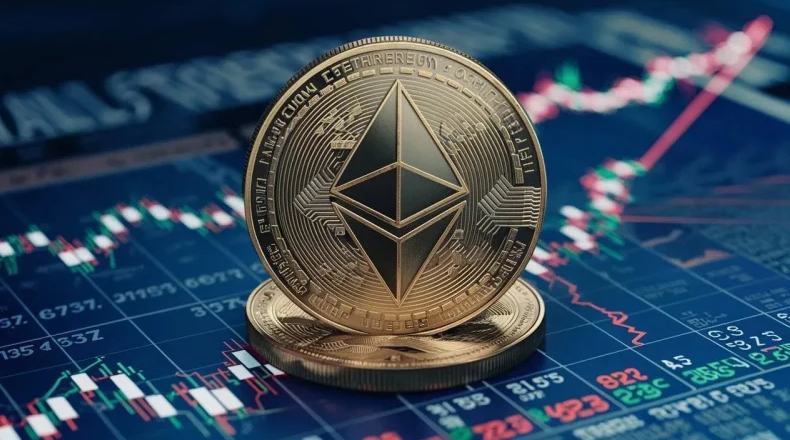
Ethereum holders often want to spend without selling on an exchange first, and a growing set of cards make that possible. But “supports Ethereum” can mean very different things across providers, so it pays to look closely. A focused overview of ethereum crypto cards helps compare what each actually offers rather than what the banner claims.
The first thing to check is whether the card spends ETH directly or requires converting it to a stablecoin first. Some cards let you fund from an ETH balance and handle conversion at the point of sale; others expect you to hold a stablecoin and treat ETH as just another asset to top up from. Both work, but the fees and steps differ, and the stablecoin route adds an extra conversion each time you reload.
Gas and network mechanics matter for non-custodial ETH cards. When a smart-contract wallet authorizes a card payment on-chain, network conditions can affect speed and cost. Well-designed cards abstract this away so the checkout feels instant, sometimes by using a layer-two network or pre-authorized allowances, but the underlying model is worth understanding before relying on it for time-sensitive purchases.
The conversion spread is still the dominant cost. Spending ETH means converting it to fiat, and the margin the provider takes on that conversion usually outweighs any reward. For frequent spenders, a low spread on ETH-to-fiat is more valuable than a flashy cashback figure, because it applies to every single transaction rather than a capped subset.
Volatility is a sharper consideration with ETH than with stablecoins. Because ETH’s price can move meaningfully, spending it directly means the fiat value of a purchase depends on the rate at settlement. Some users prefer to spend a stablecoin balance for predictability and keep ETH as a longer-term hold, topping up only when they choose the timing.
Custody and issuer questions apply exactly as they do for any crypto card: confirm who issues it, whether it is available in your region, and how stable the provider is. Ethereum support does not change those fundamentals, and a strong issuer still matters more than headline ETH branding.
It is also worth checking whether the card supports ETH held on layer-two networks or only on the main chain, since many holders now keep balances on rollups to save on fees. A card that accepts only mainnet ETH may force an extra bridging step before you can even fund it, adding cost and delay that a more flexible product avoids.
For ETH holders, the right card is the one that fits how you want to spend: directly from ETH for convenience, or from a stablecoin funded by ETH for predictability. Comparing ETH-friendly cards on conversion spread, custody model, and availability, rather than on which one shouts loudest about Ethereum, is the way to choose well.






-
Які матеріали використовують для 3D-друку
 Сьогодні, 18:20 • Новини
 -
Військовим пояснили, коли нарахують додаткові виплати за червень 2026 року
 Сьогодні, 18:00 • Новини
 -
За пів року українці подали понад 1,5 тисячі скарг через порушення мовного законодавства
 Сьогодні, 17:49 • Новини
 -
 За кордономНАТО інвестує $40 млрд у безпілотники, літаки та системи спостереженняСьогодні, 17:38 • Новини • За кордоном
 -
 За кордономДослідники пояснили, як знання кількох мов впливає на роботу мозкуСьогодні, 17:27 • Новини • За кордоном
 -
 За кордономHSBC скорочує кредитування ризикових фондів після серії гучних банкрутствСьогодні, 17:17 • Новини • За кордоном
 -
З початку року DeFi-протоколи втратили $942 млн через кібератаки
 Сьогодні, 17:07 • Новини
 -
 Проекти та інноваціїЗа кордономЛікарня у Великій Британії впровадила штучний інтелект для прогнозування інфекційСьогодні, 16:57 • Новини • Проекти та інновації
 -
Нацбанк повідомив про уповільнення інфляції та зростання зарплат в Україні
 Сьогодні, 16:46 • Новини
 -
 Зверніть увагуМінфін змінив форму декларації з екологічного податкуСьогодні, 16:36 • Новини • Зверніть увагу
 -
 Зверніть увагуДержспецзв’язку закликало не оформлювати фейкові виплати за блекаутиСьогодні, 16:26 • Новини • Зверніть увагу
 -
Мінекономіки зафіксувало перше зростання ВВП після слабкого початку року
 Сьогодні, 16:16 • Новини
 -
Продажі нових вантажівок в Україні зросли на 41%: які бренди стали лідерами ринку
 Сьогодні, 16:06 • Новини
 -
Проблемні борги«Укрзалізниця» готується відновити переговори щодо реструктуризації боргу на $1,05 млрдСьогодні, 15:56 • Новини • Проблемні борги
-
Прожитковий мінімум потрібно відв’язати від інших соціальних показників — Гетманцев
 Сьогодні, 15:45 • Новини
 -
 Проекти та інноваціїВ Україні можуть змінити тризонні тарифи на електроенергію для населенняСьогодні, 15:35 • Новини • Проекти та інновації
 -
НБУ повідомив про рекордний обсяг міжнародної фінансової допомоги у червніСьогодні, 15:25 • Новини
-
Експерти пояснили, чому томати в Україні досі коштують до 120 грн за кілограм
 Сьогодні, 15:15 • Новини
 -
 Зверніть увагуДержава компенсуватиме аграріям до 60% вартості страхування врожаюСьогодні, 15:05 • Новини • Зверніть увагу
 -
Україна застосувала санкції проти постачальників обладнання для заводів російського ВПК
 Сьогодні, 14:55 • Новини
 -
 За кордономСуд у Лондоні відмовив Nord Stream у компенсації €580 млн за підрив «Північних потоків»Сьогодні, 14:44 • Новини • За кордоном
 -
 Огляд ЗМІСпівзасновник SoftServe припустив появу «податку на роботів» через розвиток штучного інтелектуСьогодні, 14:33 • Новини • Огляд ЗМІ
#спецпроекти


TOP-stories






Не пропустіть важливе!
Підписуйтесь та отримуйте дайжест новин
Щоденно чи щотижня – обираєте ви!


Матеріали за темою

Огляд ринків

Огляд ринків

Огляд ринків
Огляд ринків
Огляд ринків